
An analysis of conversations with ChatGPT has shown that standard and premium models almost always refer to different sources for the same queries.

Ask the same questions of the standard and premium ChatGPT models, and they will almost always quote different sources, according to Writesonic analysis.
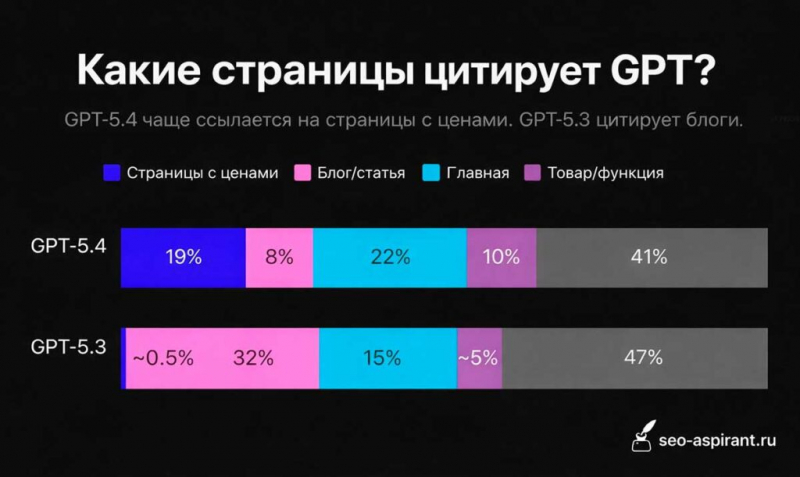
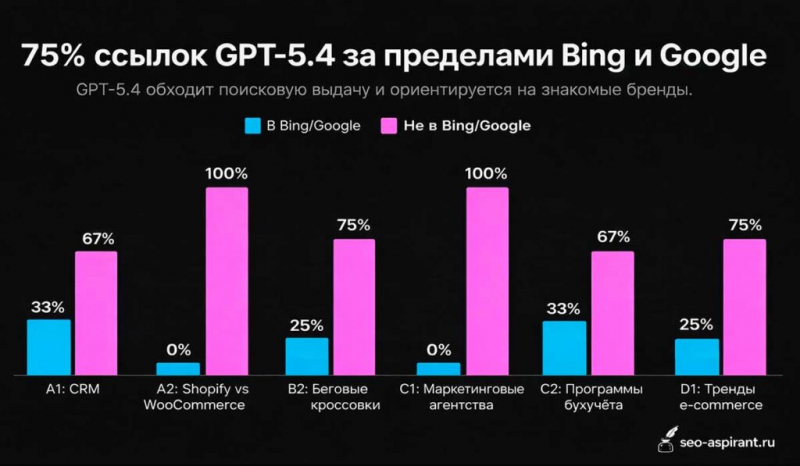
In all the queries, the models used only 7% of the same sources. The reason lies in the way each model searches for information on the Internet before responding. When the models were asked about CRM software, GPT-5.3 sent one broad request and quoted techradar.com and designrevision.com . GPT-5.4 sent individual requests limited to sites hubspot.com , salesforce.com and attio.com to get the prices, and then checked g2.com and capterra.com for reviews. GPT-5.4 made an average of 8.5 subqueries, many of them with domain-specific restrictions, and used the “site:” operators in 156 out of 423 queries. No other tested ChatGPT model used the “site:” operators at all. The OpenAI documentation says that ChatGPT search overwrites queries, but it doesn’t specify how the models decide which domains to target or when to use the “site:” operators. GPT-5.3 relied on third-party content. Blog posts and articles accounted for 32% of her citations, with Forbes (15 citations), TechRadar (10) and Tom’s Guide (10) leading the domains. GPT-5.4 went the other way. Brand home pages accounted for 22% of citations, price pages accounted for 19%, and product pages accounted for 10%. GPT-5.3 cited 4 price pages in 49 conversations triggered by a web search. GPT-5.4 — 138. For brands hiding prices behind the “sales contact” page, this may mean that GPT-5.4 has a smaller database when responding to comparison queries. In comparisons like “HubSpot vs Salesforce vs Pipedrive” GPT-5.3 I have never quoted brand websites. GPT-5.4 did this in 83%-100% of such cases. Writesonic used SerpAPI to check whether the cited domains appeared in Google and Bing results for the same queries. For GPT-5.3, 47% of the cited domains also appeared in Google results. The intersection suggests that good positions in Google at least partially predict the default behavior of the model. For GPT-5.4, 75% of the cited domains did not appear in Google or Bing search results for the same user query. This suggests that GPT-5.4 may rely less on traditional search positions and more on targeted domain—specific queries, although this has not yet been independently confirmed. Brand visibility in ChatGPT may depend on which model the user uses. For the free model, quoting third-party resources from review sites and media outlets seems to affect citations. For the premium model, the original content seems to be more important, especially the price and product pages. As new ChatGPT models are released, the patterns identified here may change. Most of the quoted URLs in the test sample contained “utm_source=chatgpt.com “, which gives brands a way to track inbound traffic right in analytics. So use it!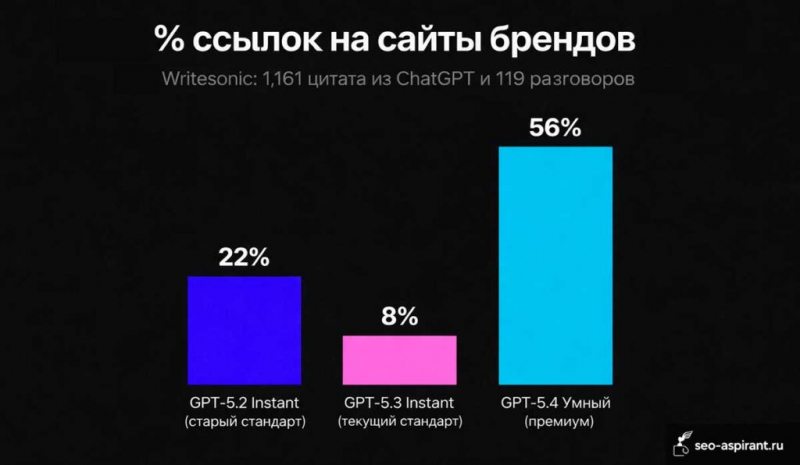
The same question — different search strategies
Where the links lead
How does this relate to search positions
Why is this important
Future prospects